Club History
1899
Founded in 1899 as the Frinton Lawn Tennis, Croquet and Bowls Club, Frinton Lawn Tennis Club has evolved over more than 125 years into a vibrant sports and social club, welcoming members of all ages and abilities, regardless of sporting interest or experience.
1900-1910
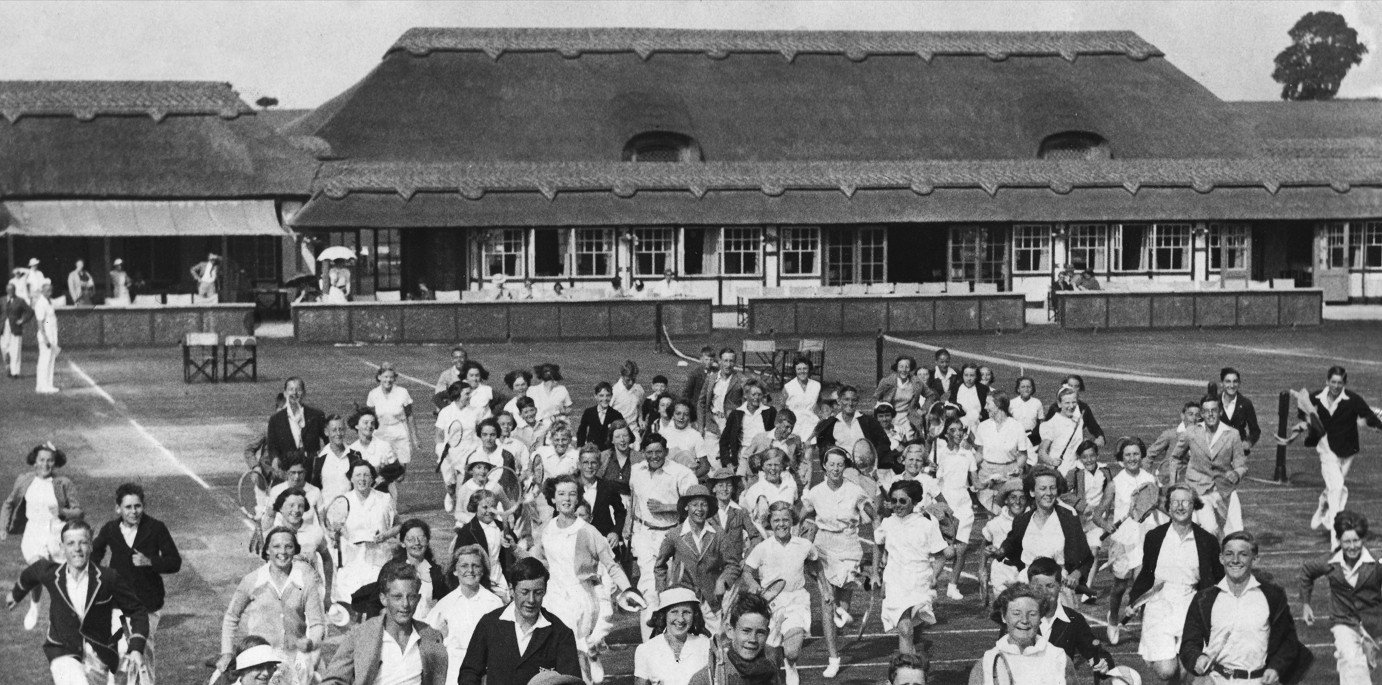
From its earliest days, the Club quickly established itself as a place of ambition, character, and sporting excellence. In its third year, the Club hosted its first open tournament, drawing players from across the district. What began as a local competition soon grew in stature, achieving international recognition and attracting Wimbledon champions among its winners. By 1908, enthusiasm for the game had reached remarkable levels, with as many as nineteen courts in regular seasonal use.
1910-1914
As the Club developed, so too did its reputation and its internal debates. By 1913, concern grew among some members that the annual Open Tournament had become too costly to sustain. The resulting disagreement led to the resignation of the Club Secretary, and the appointment of Percy J. Bangs (“Popsy”), whose arrival marked a turning point. With fresh energy and conviction, he swiftly reinstated the tournament, and in 1914 the Club proudly hosted its championship—only days before the world was changed forever by the outbreak of war.
During the First World War, the Club’s activities inevitably diminished, although it remained open in a reduced capacity. Records from the period are limited due to the disruption of wartime life, but the Club endured through the uncertainty of those years.
1918-1930
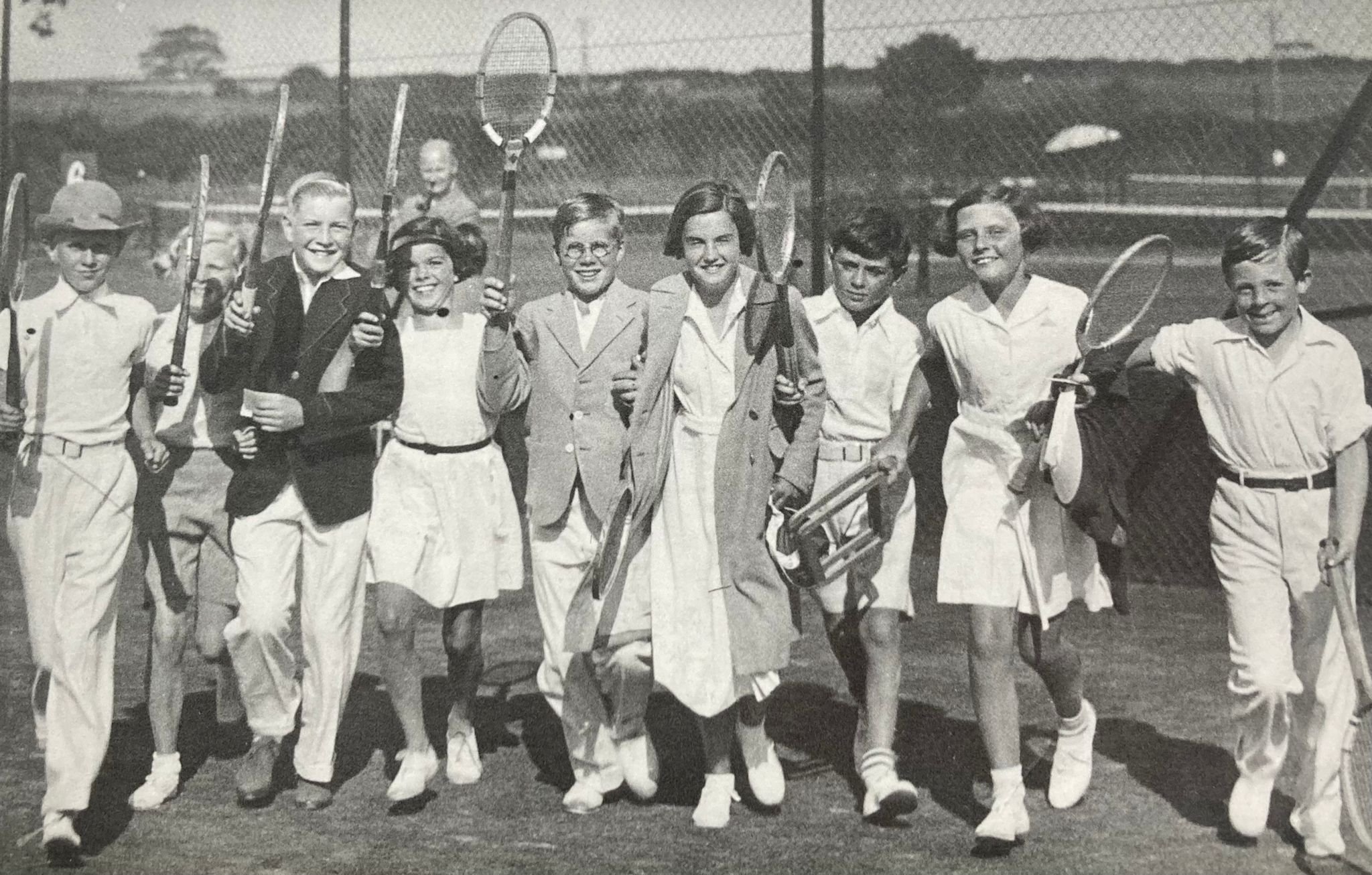
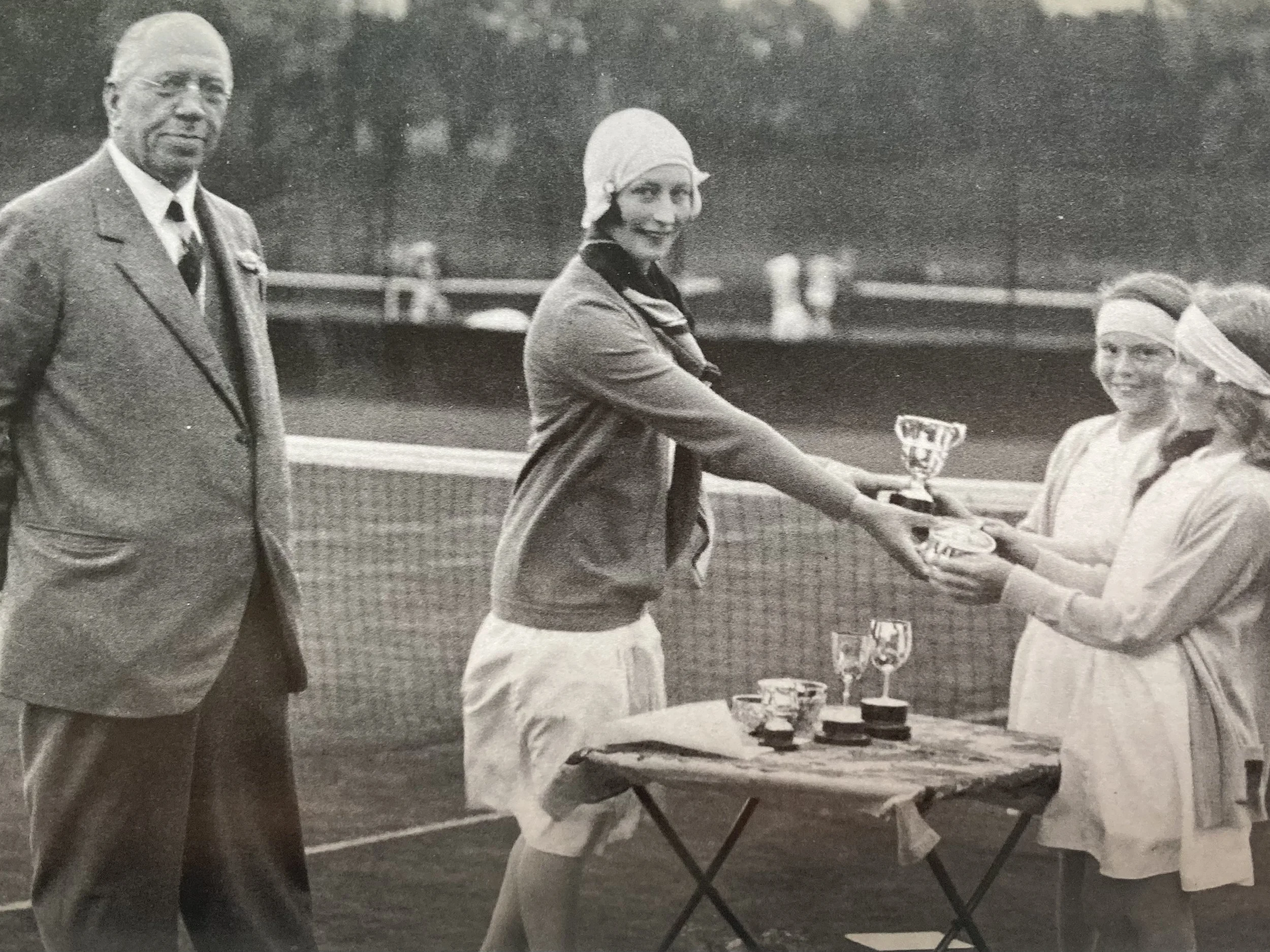
Following the end of the First World War, the Club quickly resumed full activity. By the early 1920s it had become a vibrant social centre. The Prince of Wales visited discreetly, preferring to wait his turn at the bar like any other member. Winston Churchill also visited regularly with his family, alongside well-known figures from stage and screen including Gladys Cooper, Douglas Fairbanks, and Robert Morley.
The introduction of a Club bar in 1925 contributed to a significant rise in membership.
In 1927, the annual Open Tournament was abandoned just two days before it was due to begin when severe flooding left the courts submerged to net height. Despite this setback, the Club continued its activities, and later that summer the Ladies’ team narrowly missed victory against a side representing the rest of England.
Until 1930, the courts were maintained using a pony-drawn mower, before the introduction of mechanised lawn mowers brought a more modern approach to their upkeep.
1931 - 1939
During the Second World War, Frinton was considered a vulnerable coastal area, and daily life was shaped by wartime conditions.
Norman Pertwee played a key role in ensuring the Club remained open, working closely with local military personnel to reach an agreement that allowed continued operation. The Club remained a valued place of recreation and respite for service personnel stationed in the area throughout the war years.
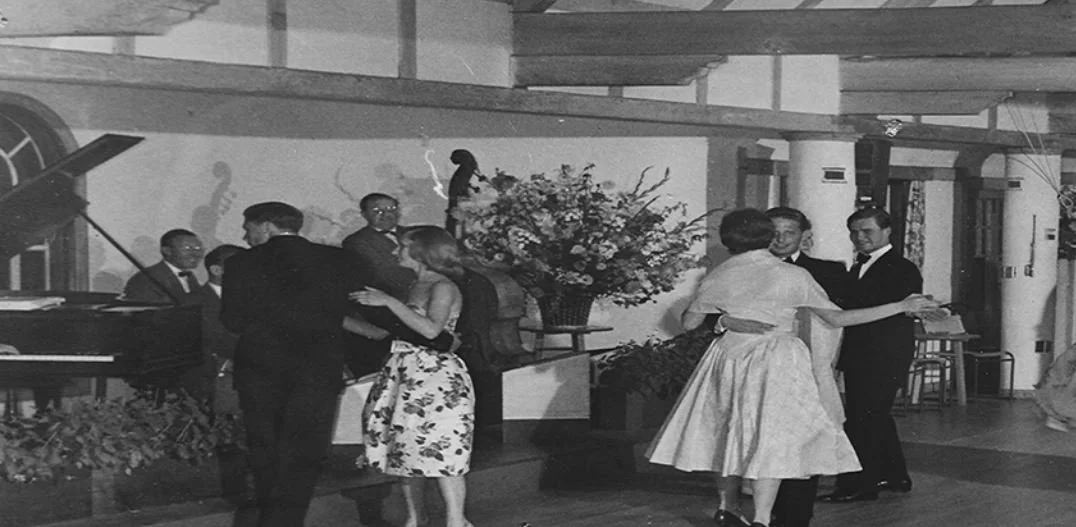
The Club remained a lively and sociable place during the mid-1930s, with Saturday dances becoming a central feature of Club life. Their popularity led to the expansion of the ballroom to its present size, funded by members through a debenture issue.
1945 - 1950
Following the end of the war, an emergency committee was formed to reconstitute the Club, and by 1946 the Annual Open Tournament had once again taken place.
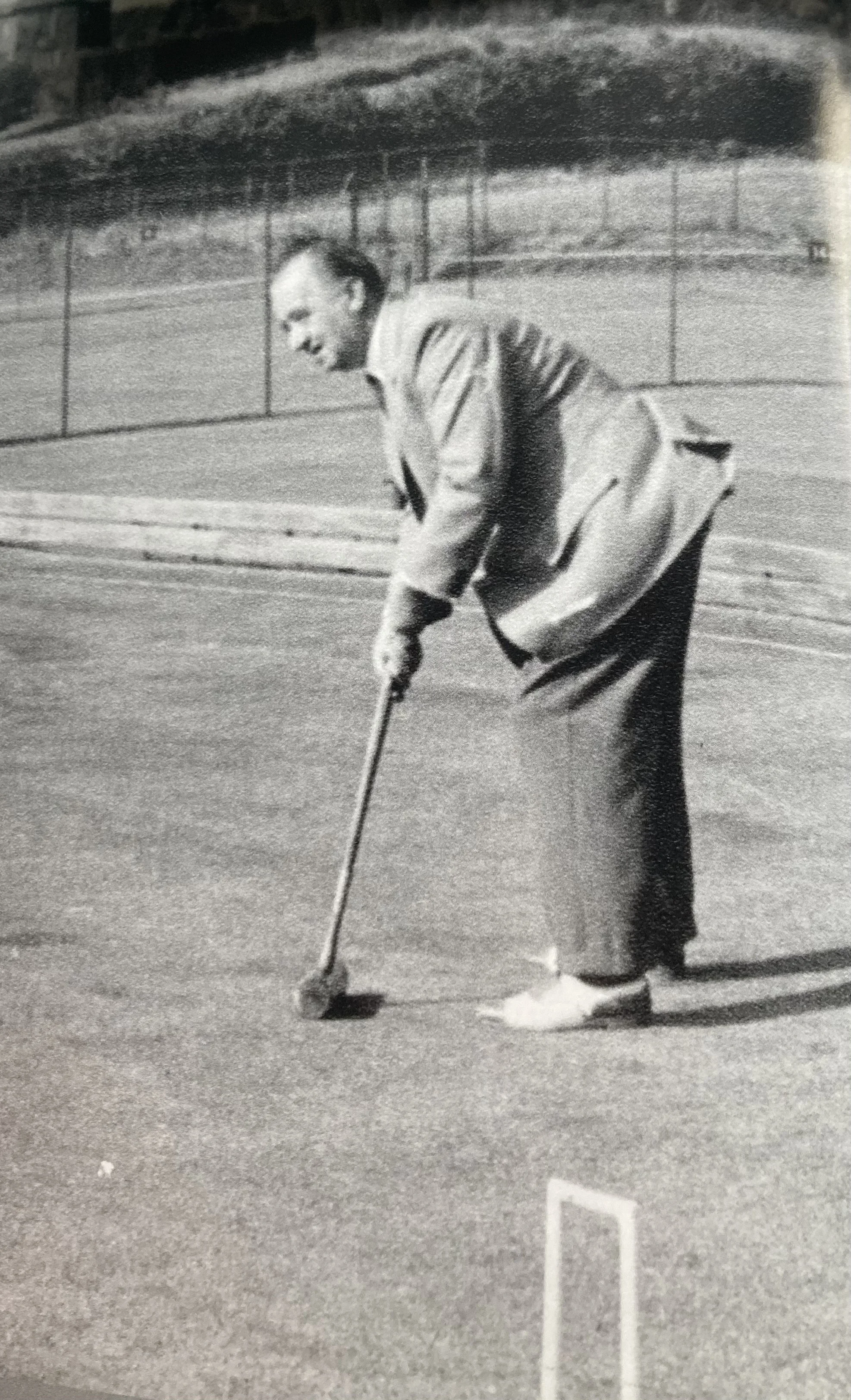
The post-war years brought renewal and development. Squash courts were introduced in 1947 on a rental basis, and discussions were held with the Golf Club regarding a shared clubhouse at the Marylands site, although these plans were ultimately not pursued. Archery and croquet also grew in popularity, and in 1948 the Club hosted its first professional tennis exhibition, marking a new era of prestige.
A spirited debate over Court 5 reflected the character of Club life during this period. Then a Show Court, proposals were made to convert it into a tea lawn. In a rare referendum, members voted to retain it for tennis, and tea facilities were instead relocated to the west of the clubhouse.
1950 - 1960
In the early 1950s, the Junior Open Tournament was established—an event that continues today as the Frinton Open Tournament.
Despite this positive development, the decade proved challenging for the Club. A range of initiatives was introduced in an effort to strengthen its position, but financial pressures persisted, and the Club struggled to remain out of deficit.
1960 - 1967
In 1960, County Week was introduced at the Club, and the squash courts in Old Way were purchased through a member-supported debenture scheme.
Junior participation also grew significantly during this period and was strongly encouraged by the Club.
1968
The land on which the Club stands was owned by the Cooper Estate, with the Club operating under a long-standing lease. While this arrangement had served the Club well for many years, continued expansion brought a growing concern about investing in facilities on land it did not own.
Despite a challenging financial climate, the decision was taken to raise funds to purchase the freehold, securing the Club’s long-term future and enabling further development. Members responded with remarkable generosity, contributing a total of £11,000 through debentures and life memberships.
This collective achievement marked a defining moment in the Club’s history, paving the way for significant development. A swimming pool was constructed, greatly enhancing the Club’s social life, and three squash courts were added, strengthening both its sporting provision and its sense of community.
1969-1980
Sponsorship was introduced for the Open Tournament, although until 1968 the event continued to operate on very tight margins.
In 1970, the Frinton Final featured two Wimbledon champions, Ann Jones and Margaret Court. After losing the first set, Mrs Court produced a strong comeback to win the match.
This period also saw significant growth in squash, with Club membership rising to over 400 by the second half of 1970.
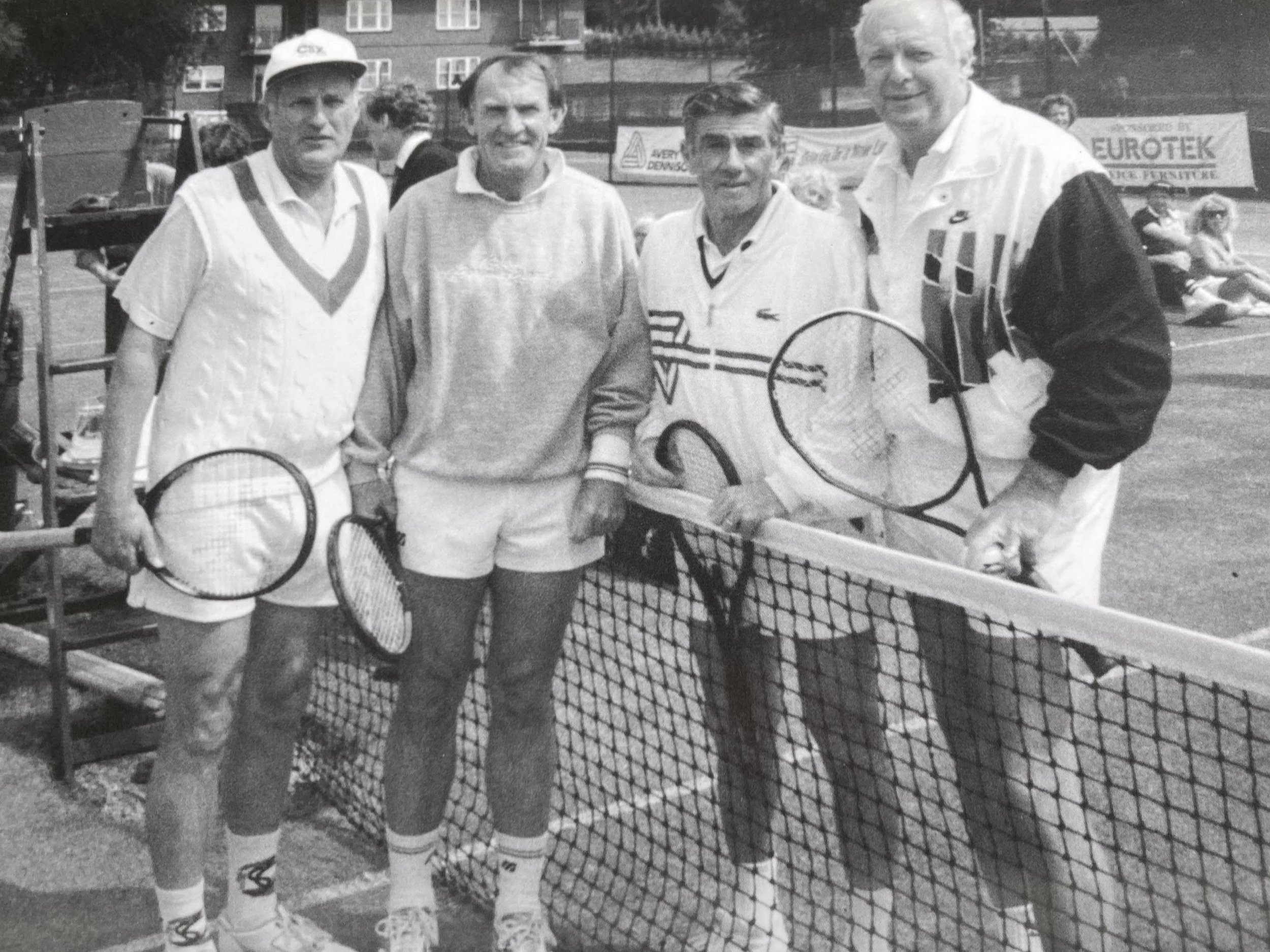
In 1976, the Frinton International Veterans Week was launched, attracting more than 70 entrants in its first year, with finalists travelling from as far afield as South Africa and Australia. The event later secured sponsorship from Dudley Stationery in 1987.
1980-1990
In 1981, a tennis practice wall was added, making use of the external wall of the squash courts.
The following year, four hard courts were sold for residential development to raise funds for the construction of six new hard courts on the former croquet lawns, while also helping to address a significant backlog of essential repairs.
Carpet bowls was introduced in 1986, becoming a popular addition to the Club’s winter programme.
Around this time, Robin Tomkins assessed the Club’s minimum value at over £300,000.
The Club faced increasing financial challenges. Despite a range of initiatives to improve its position, including efforts to grow membership, expand social activities, secure capital grants, and broaden sponsorship, there was little sustained improvement.
1991-1999
The Veterans’ Tournament continued to grow in popularity year on year, with sponsorship from Dudley Stationery helping to attract an increasing number of high-level competitors.
In 1991, a series of exhibition matches was staged, featuring many former Wimbledon champions. Players included Stan Smith and Ilie Năstase, in a celebrated rematch evocative of their 1972 Wimbledon Final, alongside Bob Hewitt and Fred Stolle, who also demonstrated their championship skills on court.
The Club also welcomed a distinguished group of players during this period, including Virginia Wade, Sue Barker, Betty Stöve, Evonne Goolagong, Tony Roche, and Frew McMillan. Their presence brought together an exceptional assembly of talent and offered a remarkable glimpse into the world of elite professional tennis.
In 1992, Martin Guntrip became Club Captain, having previously competed at Wimbledon himself.
The early 1990s brought further change. Indoor winter bowls was discontinued in 1993, and by 1994 the Club’s financial position had again become increasingly challenging. During this time, Secretary David Taylor explored an unusual but promising opportunity from Kazakhstan, which briefly eased financial pressures. Members also enjoyed a series of themed musical and dining events inspired by this initiative.
In 1997, the Pro Shop was established through the partitioning of part of the ballroom and was subsequently franchised. That same year, the Club recorded a year-end surplus of £14,501, marking a welcome improvement in its financial position.
The New Year celebrations leading into the centenary were very well attended, with 167 guests enjoying champagne and dancing until midnight.
Looking ahead to the year 2000, plans included the installation of an irrigation system, an air dome over Hard Courts A and B, two Open Days to mark the centenary year, and an ambitious drive to reach 1,000 members.
2000 - 2026: The Modern Era
The early 2000s marked a continued period of evolution for the Club, as it built on its long heritage while adapting to the changing demands of modern sport and social life.
During this period, the Club’s Futures tournaments provided an important platform for emerging talent, with several players who would go on to achieve international success competing at Frinton. Among those who featured at this stage of their careers were Andy Murray, Jamie Murray, and Heather Watson, reflecting the Club’s continued place within British tennis.
The Club is affiliated with both the LTA and ITF, enabling it to host a programme of competitions throughout the summer season. These include Grade 1 Under 11 Boys’ and Girls’ events, LTA British Tour tournaments, ITF Masters events, LTA County Week, and the LTA Junior Open. In addition, the Club runs a full programme of internal competitions throughout the year, from winter leagues to the annual Club Championships, ensuring competitive opportunities for players of all levels alongside its wider tournament calendar.
The Club also fields A, B, C and D teams competing in the Colchester and District Leagues, providing regular competitive tennis across a wide range of playing standards and further strengthening its vibrant team culture.
In 2010, Martin Tinsley became Club President, providing continuity and support as the Club continued to develop. In 2018, James Max was appointed Chairman. His tenure included a significant rebrand of the Club and steady leadership through the challenges of the COVID-19 pandemic, a period which required resilience and close community support. James stood down in 2025, with David Binns taking on the role of Chairman.
In 2018, a new gym was opened with modern equipment, further strengthening the Club’s health and fitness offering, alongside the introduction of aquarobics, making use of the swimming pool. The newest Technogym equipment was installed in September 2025.
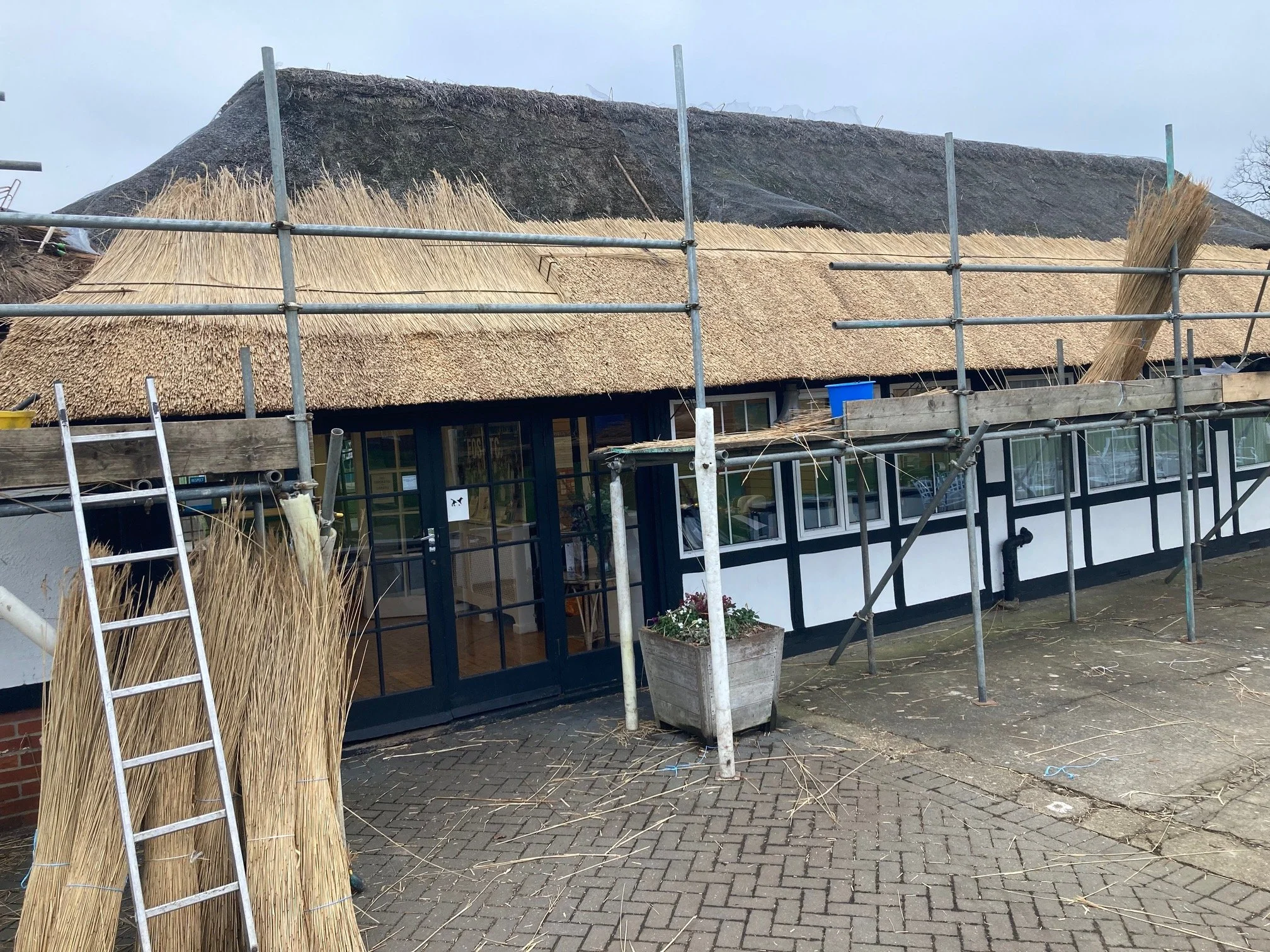
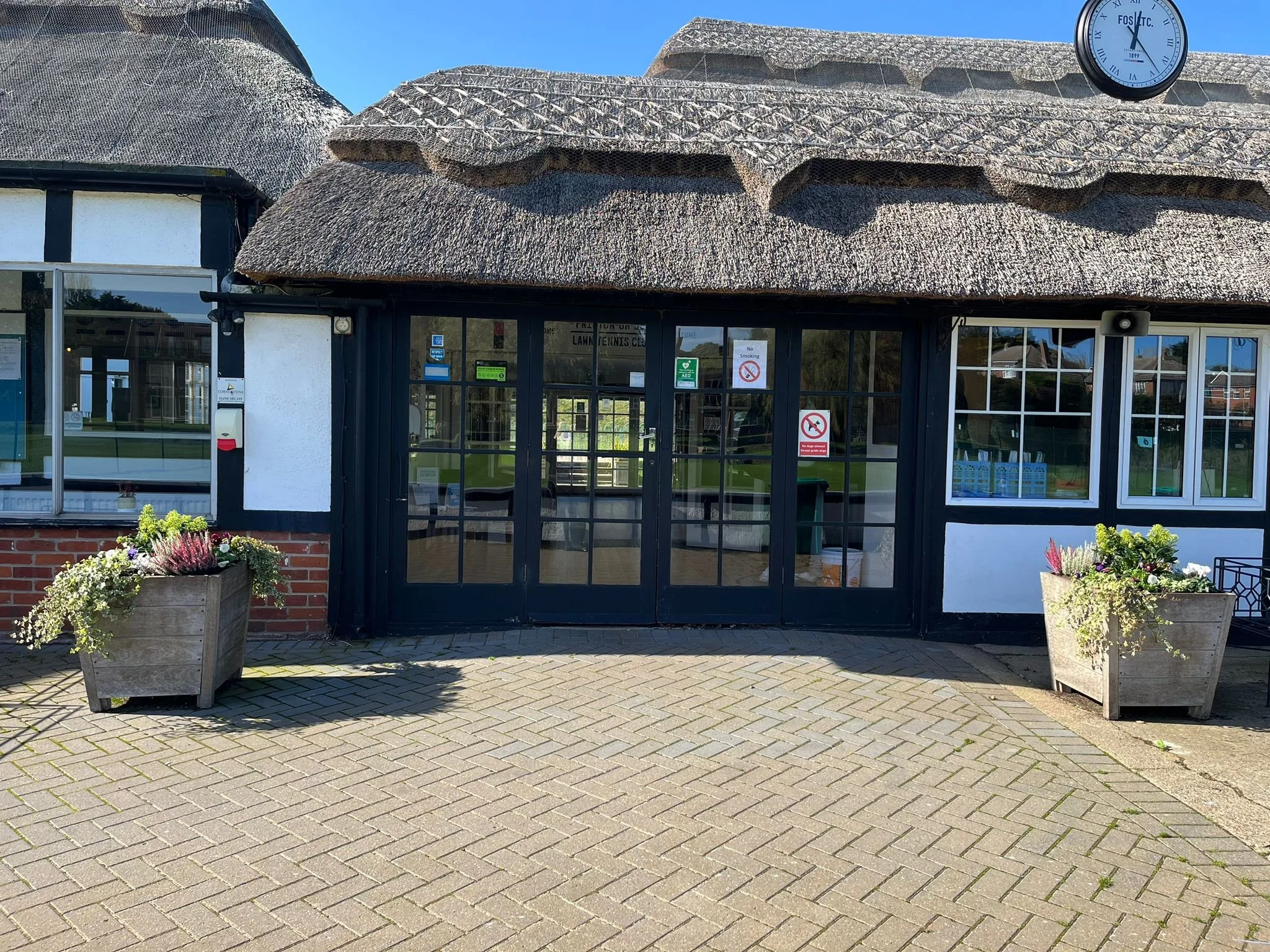
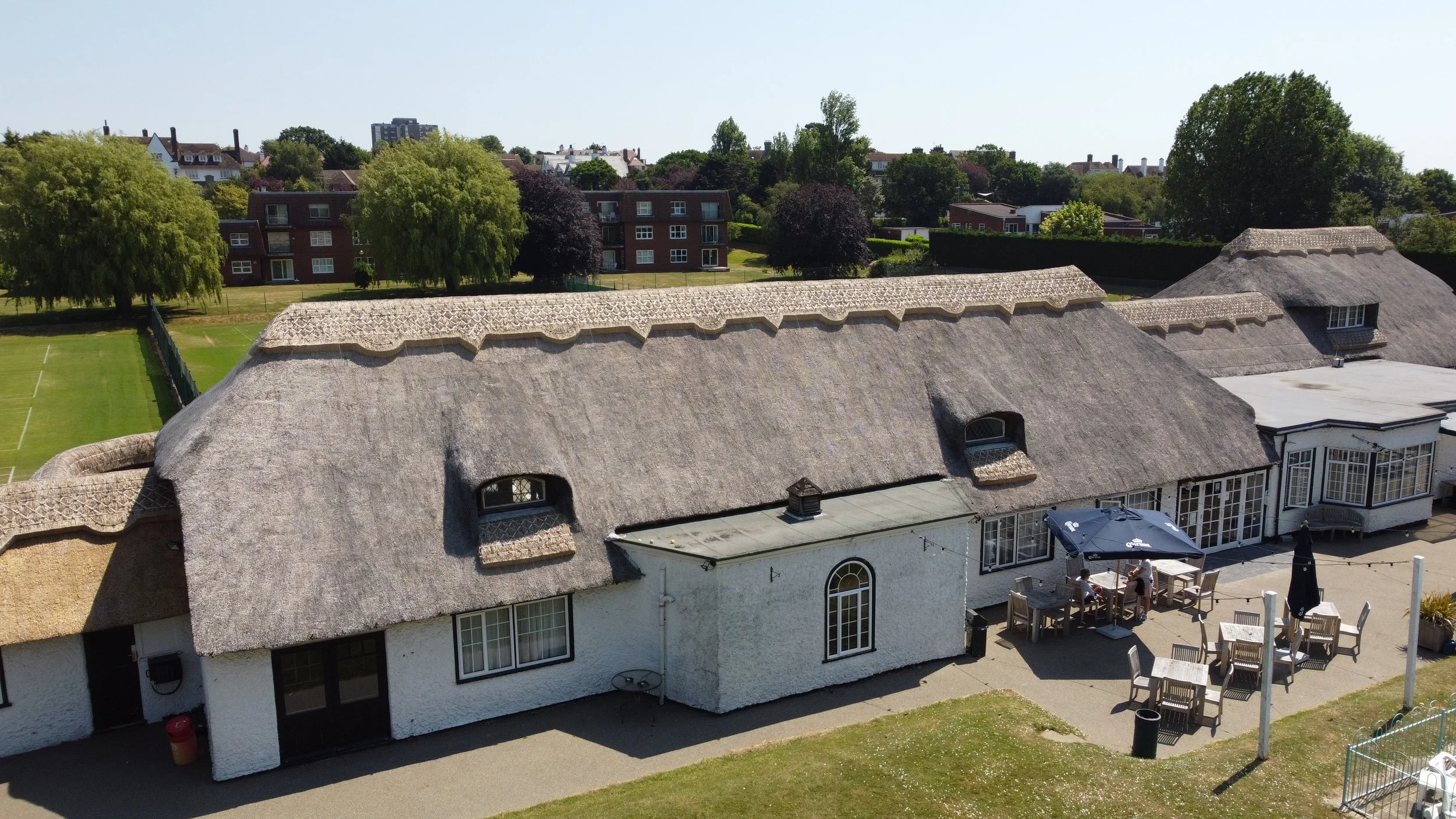
Investment in facilities has continued in recent years. The thatched roof was repaired in a major project in 2023, preserving the traditional character of the Club while ensuring its upkeep for the future.
In 2024, the Club celebrated its 125th anniversary with a dinner dance and charity auction, bringing members and guests together to mark more than a century of sporting life, community, and shared history.
The Club has also continued to broaden its sporting activities. Pickleball was introduced as part of this expansion of accessible racket sports, and in 2026, pétanque will be added on the lawn adjacent to the swimming pool, further enhancing the Club’s social sporting environment.
Croquet, one of the Club’s founding sports, was reintroduced in 2023, reconnecting the Club with its earliest traditions. This revival was further strengthened in 2026 with the addition of a second practice lawn.
The Club continues to maintain 16 grass tennis courts, a distinction of which it is justly proud, placing it second only to Wimbledon in the number of grass courts in the United Kingdom.